
Course Type: Full-length Course
Duration: 60 min

Energy Emergencies: Energy Hazards

Presented by:
Chris Greene

Course Description

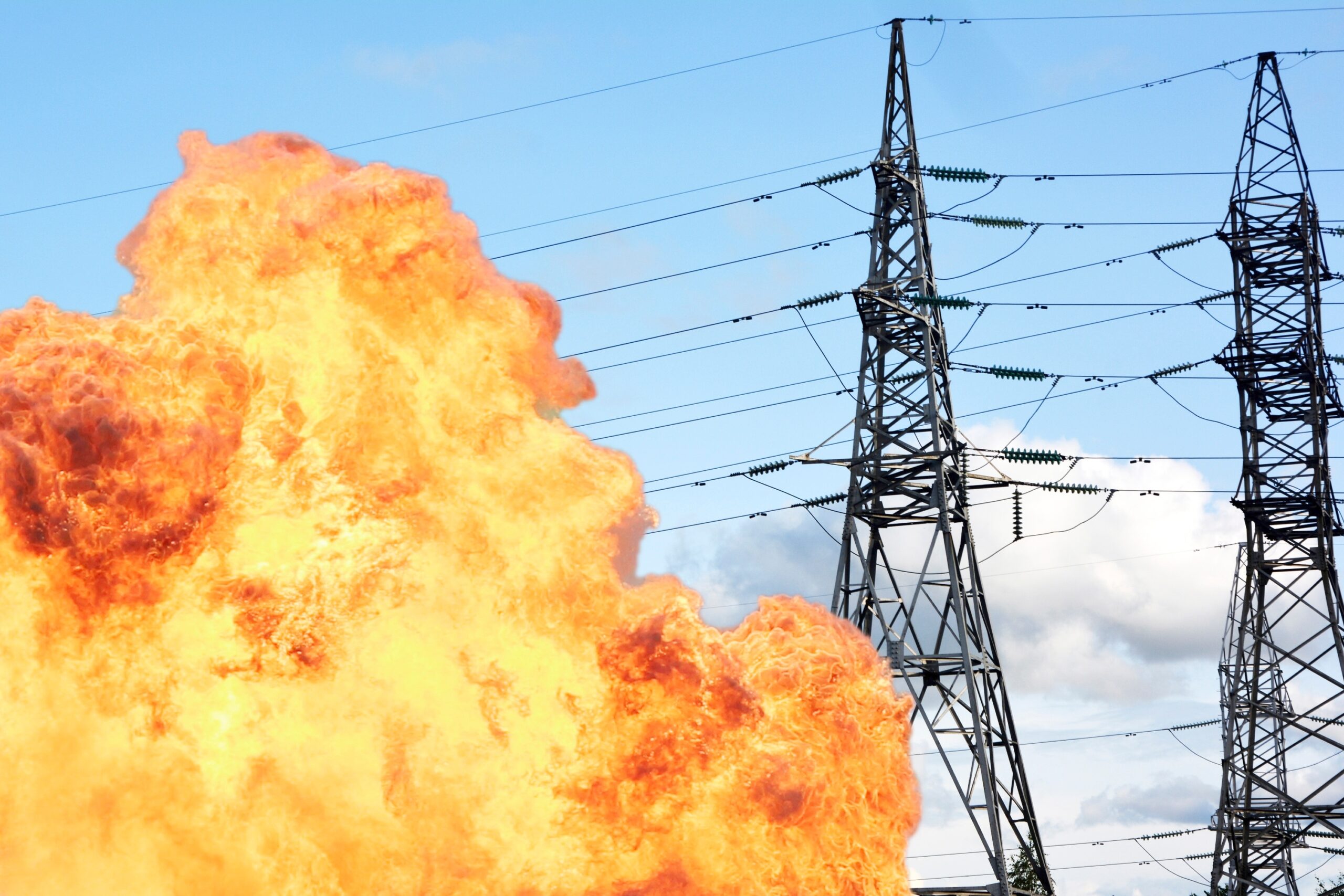
When is the last time you were dispatched to a situation involving a downed power line, electrical pole, utility vault, manhole fire, solar panels, or even a battery fire? Electrical injuries currently only account for about 1% of firefighter fatalities; however, fire personnel are dispatched to an increasing number of energy-related emergencies each year. Modern technology such as lithium-ion batteries, solar panels, and utility vaults are making the job of keeping everyone safe a little harder. De-energizing residential energy systems and knowing how your PPE works is of the utmost importance for avoiding becoming another LODD statistic. This course addresses NFPA 70E, NFPA 1971, and NFPA 12.

Related Courses

Can Confidence

The pressurized water can may have initially been designed as a tool for the lay population, but it can be a valuable tool for firefighters. The Training Collection, filmed with the team from Vent Enter Search, will provide an overview of the specifications of a pressurized water can, and how to ensure your can is properly filled and ready for a fire. Then they will perform several operations using a pressurized water can and explain the role the can firefighter plays in a search operation, as well as the design of a hollow core door and how the can firefighter can work in conjunction with that design to slow the spread of fire. The pressurized water can may be a small tool, but it can have a great impact during search and in understanding how to fully utilize the tool will help you to be confident the next time you enter a fire with a water can in your hand.

Course Type: Full-Length

Course Duration: 60 mins
Energy Emergencies: Electric Vehicles

Electric vehicles will complete the same task as a gas-powered version: drive from one location to another, but how it operates, is made, and burns are all vastly different. Throughout this course, Chris Greene and Jason Defosse share their knowledge and experiences with EV fires, focusing on how our general approach to extinguishing the flames, patient extrication, and overall handling of the torched vehicle must be adapted. It is no longer a question of if you will respond to an electric vehicle fire but when.

Course Type: Full-length Course

Course Duration: 60 min

Energy Emergencies: Lithium-Ion Batteries

In the future lithium-ion battery fires will be considered a bread and butter fire, but for now it isn’t. As more devices utilize this type of power, the rates of lithium-ion involved fires will increase. As we'll discuss in this course, firefighters must be well-informed of the hazards, understand thermal runaway, and be able to recommend ways to limit the severity of these types of fires. This course will also discuss the concerns we have with lithium-ion batteries, review the cell structure, and examine what causes failures in these cells.

Course Type: Full-length Course

Course Duration: 60 min

Energy Emergencies: Solar panels and ESS

In today’s day and age, new methods of generating electricity for homes, industrial buildings, and even vehicles are being used and adapted, like solar panels. As firefighters, it is very important to understand these electrical sources as it is becoming more common that you will respond to a call where a solar panel or an energy storage system (ESS). are in place at a residential home or in the surrounding area.

Course Type: Full-length Course

Course Duration: 60 mins

Energy Emergencies: Utility and Energized Hazards

Moving utilities underground can protect them from the elements and allow a city to grow and flourish unobstructed. But they have a downside, and it could be fatal as these underground utility highways house hundreds of wires connecting multiple spaces. What happens when their materials deteriorate? What spaces are most affected? This course will shed light on a growing concern in these modern times and help you to protect yourself during response. You never know when an anticipated fire or smoke hazard can evolve into an energy hazard.

Course Type: Full-length Course

Course Duration: 60 min

No courses found for this author/instructor

Join Fire Engineering Training

Ready for next-level training?

Our sales team will be in touch soon to discuss our available plans and how we can assist your department in meeting its training requirements and needs.

Fireman